Introduction
Memory, being an ability with many components, is a complicated process. It has been studied for a long time and various theories, ideas have been presented.
This page the 2nd part of a study of the article
Memory systems of the brain : a brief history and a current perspective by LR Squire
Context
The current idea of memory is a multi memory system, with different kinds of memory.

This has existed for a long time although the memory systems weren’t the same.
However, two discoveries have led to the current version.
1. The distinctions between :
- Associative memory and recognition memory
- Contextual retrieval and habit
- Taxon and locale memory
This discovery, found on animals, was one of the earliest to show that the hippocampus and its nearby structures may be involved in one type of memory. Not all.
This idea was reinforced by the second discovery.
2. Non motor skill learning and retention in amnesic patients
They were able to find that people with amnesia were able to learn not only motor skills but some non motor skills as well.
For example, they showed signs of priming ( a form of memory ).
They were also able to maintain the learning.
This proved that memory has different types and each type uses different brain areas.
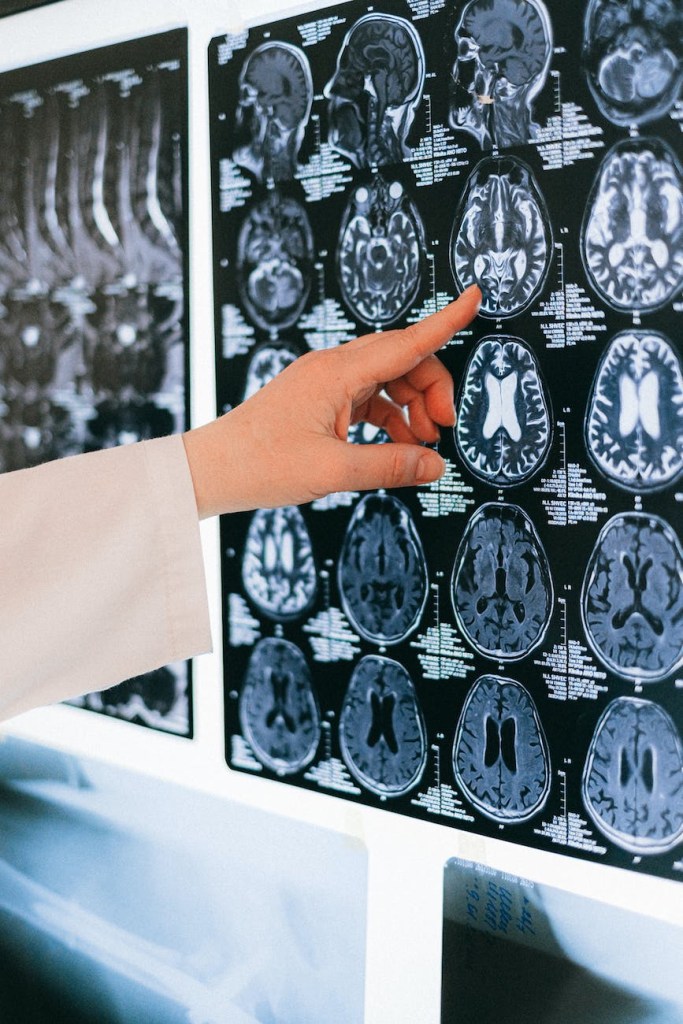
For example :
- The cerebellum : involved in delay eyeblink conditioning
- Neostriatum : involved in habit formation guided by gradual learning from feedback
- Amygdala : involved in learning the association of a positive or negative emotional response to something
The development of neuroscience and the studies on memory created too many memory systems to fit into only two categories.
Thus creating the categorisation seen in part 1.

 Accessible Science