Introduction
This page is the first part of a study of articles.
An overview on stress neurobiology: Fundamental concepts and its consequences by Rumi Iqbal Doewes, Lekshmi Gangadhar and Saranyadevi Subburaj
Context
Stress is as much an issue for humans as it is necessary.
It may prevent us from performing at our best or in some cases make us sick. However, it is what helped us identify the dangers around us and prepared our bodies to fight or run.

It is so important that several brain regions are involved in it.
When we detect something, the combined response from these brain regions is what will determine if it is a stressor and what kind of stressor it is.
Stressor
What causes a stress response in an individual
The stress system
When faced with a stressor, the body will react in two ways.
A rapid, short way by the SAM axis and
SAM axis
Sympathetic Adrenal-medullary axis
The rapid but short term component of the stress response done by the releasing of noradrenaline.
A slower but longer lasting way by the HPA axis.
HPA axis
Hypothalamic pituitary adrenal axis
The slow but long term component of the stress response done by the releasing of glucocorticoids.
The chemicals produced by these responses will bind to various cells causing the stress response.
The stress response will generally block or change some functions that are needed in everyday life but not when facing danger such as digestion, growth, the immune system and the metabolism.
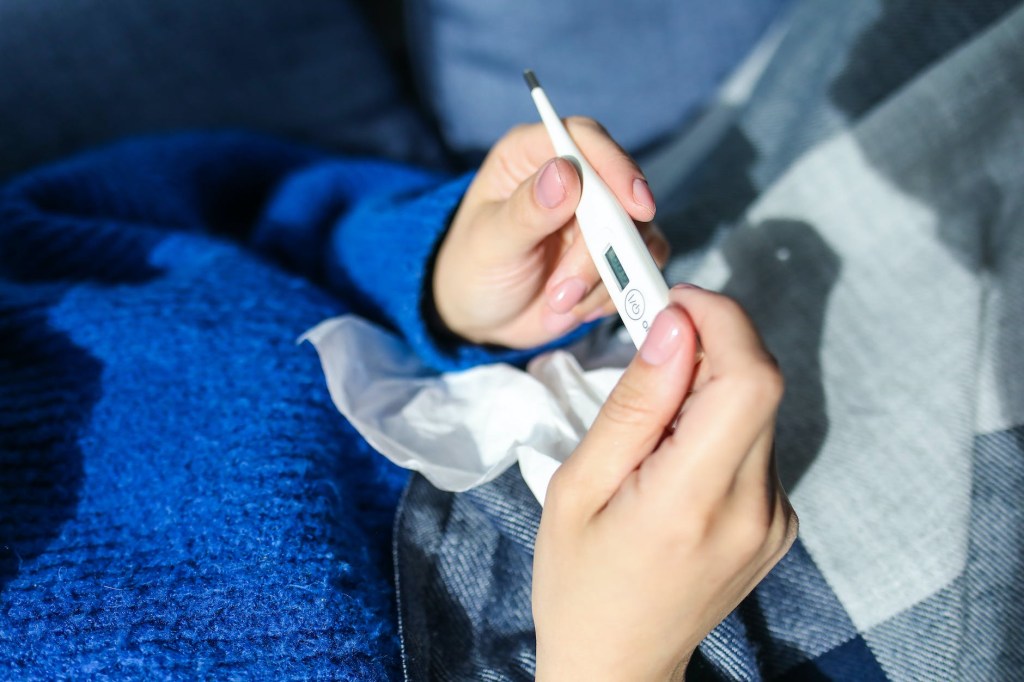
These are why chronic stress can block growth and make people sick.
In the brain, the stress response will usually inhibit the outer regions of the brain where higher level functions such as rational thinking are done and activate the limbic regions.
Limbic region
The lower, inner part of the brain consisting of the hypothalamus, thalamus, hippocampus, amygdala and the cingulate gyrus.
It is involved in emotions, memories and learning, reproductive behaviours, feeding behaviours and stress responses.
This is especially in the fast SAM axis which is mainly triggered by the hypothalamus.
Next part : The amygdalas reaction to two different stressors

 Accessible Science
2 Comments