Introduction
Although we still don’t know how memories are created and kept in the brain, we do have a theory that seems pretty close. These are LTP and LTD.
This page is the first part of a study of the article
Engineering a memory with LTD and LTP
by researchers from the university of California at San Diego and the Howard Hughes Medical Institute
Context
The main theory in the neuroscience of memory is that memory is represented by modifications of synaptic strengths.
The two most common examples are :
LTP and LTD
These mechanisms of neural plasticity are said to be done by the cells themselves.
However, this theory is yet to be fully proven.
The experiments in this article don’t prove the theory but show results strengthening the position of neural plasticity as a mechanism for memory.
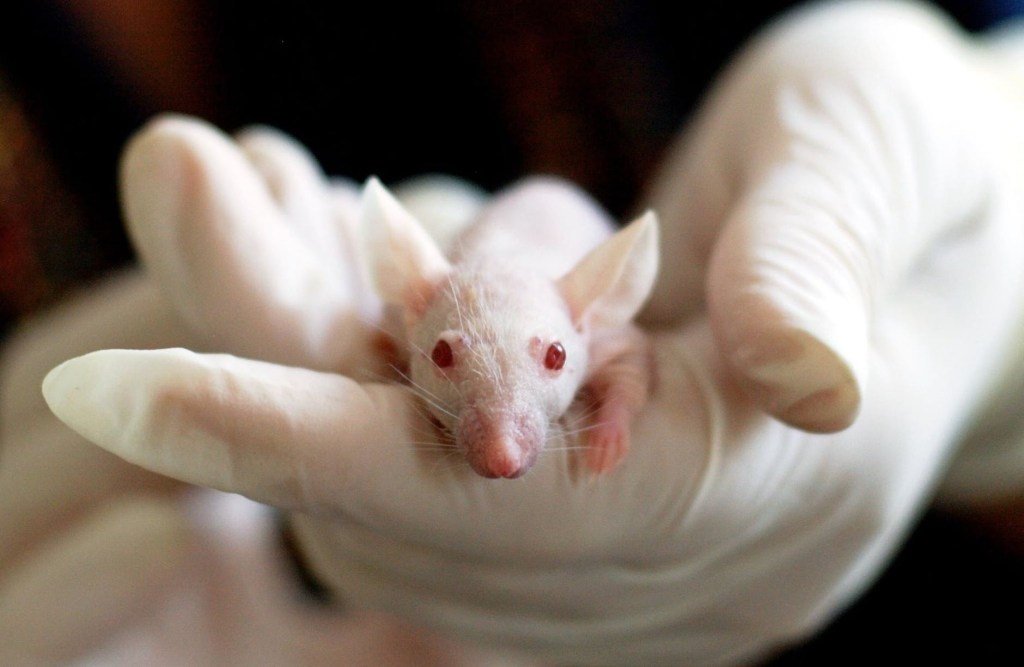
Both experiments used cued fear conditioning in rats.
Fear conditioning
Fear conditioning is the association of an emotionally neutral something ( an activity, an object, a sound… ) with something unwanted ( like an electric shock or a uncomfortable noise ).
This causes the animal to react in a way it does to the unwanted stimulus ( the unconditioned stimulus, US ) in response to the neutral stimulus ( the conditioned stimulus, CS ).
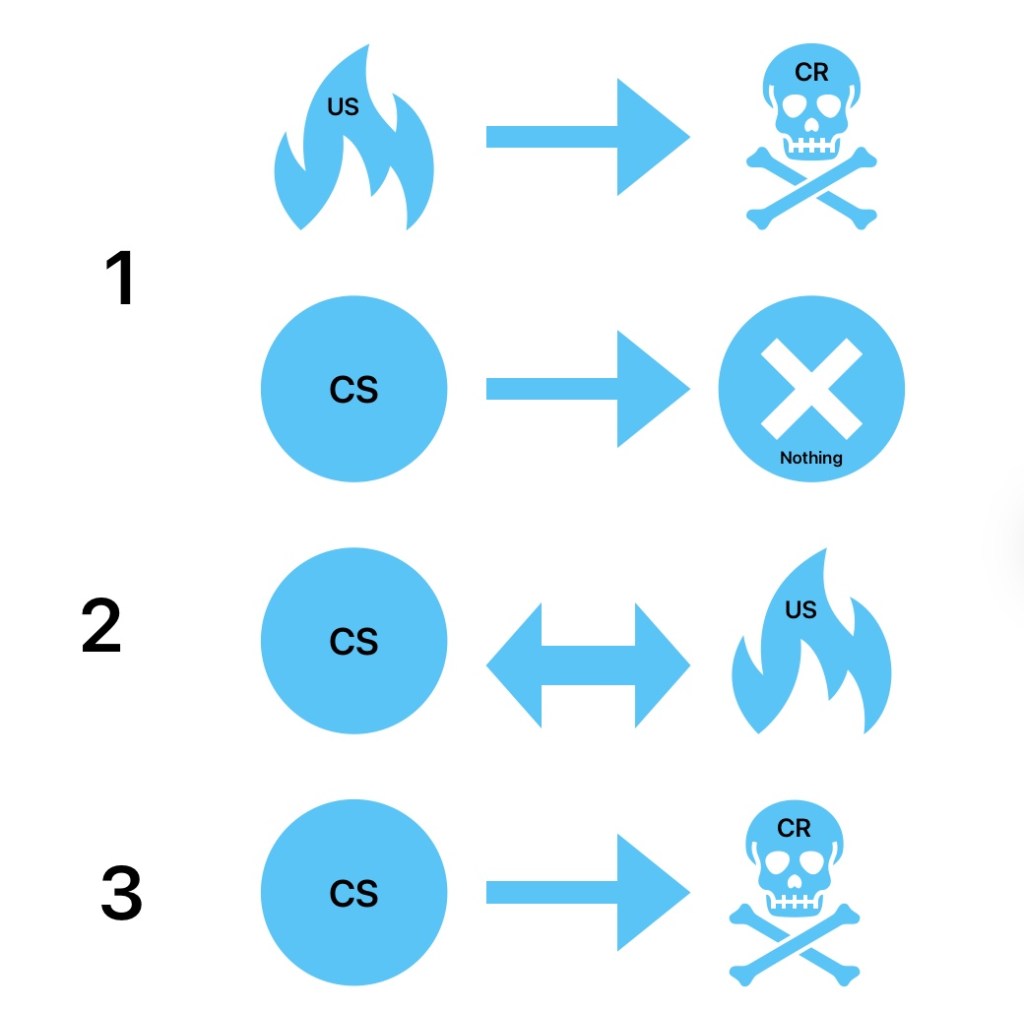
In many cases, rats will be trained to associate electric shocks ( US ) with the pressing of a lever ( CS ) that they were trained to do before.
This causes a conditioned response ( CR ) which would be the reduction or complete stop of pressing the lever as they have associated the electric shock with the pressing of the lever.
Contextual fear conditioning is when the CS is a specific situation, place or environment.
Rooms with walls of a certain colour for example are used in experiments with rats.
On the other hand, cued fear conditioning is when the CS is a cue or a sign. A sound, a light turning on or any little change can do the job.
Fear conditioning is said to be one of the best ways for research on animals memory.
Part 2 : Finding LTP in conditioning
Part 3 : The brain and memory, simple but complex engineering
Part 4 : Memories forever in our brains

 Accessible Science
3 Comments